Gero Onsen Guide: Access, Baths, and Where to Stay
Plan a Gero Onsen trip with access from Takayama or Nagoya, day-use bath options, the yumeguri pass, and practical ryokan stay advice.
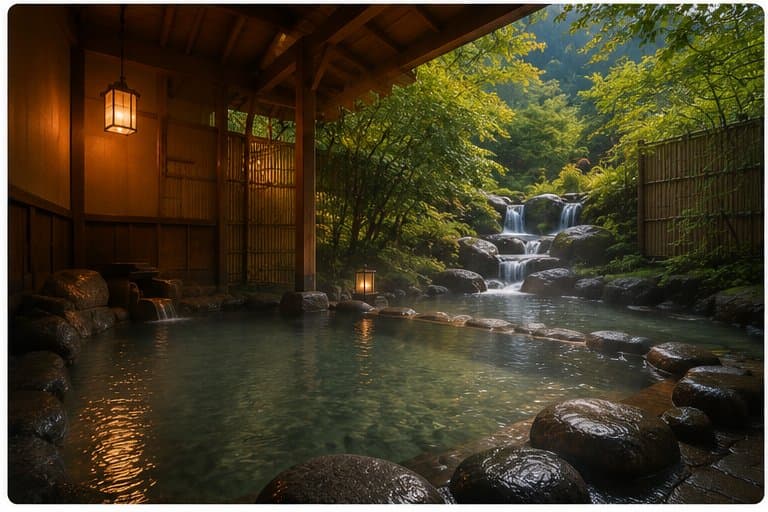
Gero Onsen is the easiest classic hot spring town to combine with Takayama if you want a softer, slower second stop in Gifu. You can visit for a few hours, but it also makes a very strong one-night ryokan stay.
The real question is not whether Gero is worth going to. It is. The practical question is whether you should do it as a day trip or as an overnight stay. The answer depends on how important the baths are to your trip.
Quick Summary
| Item | Details |
|---|---|
| From | Takayama or Nagoya |
| To | Gero Onsen |
| Best option | Train if timing works well; budget travelers can use the no-reservation bus from Takayama |
| Time | About 45–60 min by train from Takayama; about 90 min from Nagoya; about 80–90 min by bus from Takayama |
| Reservation | Recommended for limited express seats; not required for the Takayama–Gero bus |
| Estimated cost | From about ¥1,060 by bus; bath pass around ¥2,500 |
| Best for | Onsen lovers, ryokan stays, and easy add-on trips from Takayama |
Access
| Route | Details | Time |
|---|---|---|
| Takayama to Gero by train | JR Takayama Line / Limited Express depending schedule | About 45–60 min |
| Takayama to Gero by Nohi Bus | No reservation required | About 80–90 min |
| Nagoya to Gero by JR Takayama Line | Standard rail access | About 90 min |
| Gero Station to Funsenchi | Walk | About 3 min |
| Gero Station to Gassho Village | Bus | About 6 min |
Cost
| Item | Cost |
|---|---|
| Takayama to Gero by Nohi Bus | ¥1,060 |
| Yumeguri Tegata bath pass | ¥2,500 |
| Funsenchi open-air bath | Free |
| Estimated low-key day-trip spa budget | About ¥1,060–¥3,560 before food |
Why Gero works so well from Takayama
Gero is close enough to be easy, but different enough to feel like a real change of pace. Takayama gives you morning markets, traditional streets, and architecture. Gero gives you hot water, riverside atmosphere, and a much slower rhythm.
If you are already in Takayama and want one more night in the region without doing another museum-heavy stop, Gero is probably the best next move.
Day trip or overnight?
Choose a day trip if
- you mainly want to soak once or twice
- you have only a small gap between Takayama and your next destination
- you are curious about onsen culture but do not need the full ryokan dinner-and-breakfast experience
Choose one night if
- the baths are one of the main reasons for your trip
- you want a proper ryokan stay
- you want to enjoy the town in yukata at a slower pace
- you want to combine multiple baths and a relaxed dinner
For most travelers, my practical rule is simple:
- Takayama + Shirakawa-go can stay base-heavy in Takayama
- Takayama + onsen relaxation is better with one night in Gero
How to get there
If your train timing works, rail is the fastest-feeling option from Takayama. For travelers who want a cheaper and simpler no-reservation option, the local Nohi bus is very useful and costs ¥1,060 from Takayama to Gero.
From Nagoya, the standard route is the JR Takayama Line, which takes about 90 minutes.
When you arrive, the Gero City Tourist Information Center is in front of JR Gero Station, which makes orientation easy.
Best bath options for short visits
Funsenchi
This is the easiest symbolic stop for first-timers because it is a free open-air bath and only about 3 minutes on foot from Gero Station. It is great if you want to say you soaked in Gero, but remember that it is very public. It is not the place for visitors who want privacy or a polished ryokan atmosphere.
Public baths and hotel day-use baths
JNTO notes that Gero offers three public baths and that some hotels and ryokans also open their baths to day visitors at certain times. This is where Gero becomes more flexible than many foreign travelers expect.
Yumeguri Tegata
If you want to sample multiple baths, the yumeguri tegata is one of the strongest practical reasons to come to Gero. The official bath-pass page says one pass costs ¥2,500, is valid for six months from purchase, and lets you enter three participating baths.
That said, do not assume every participating property accepts visitors all day. The official list shows that hours vary by property and some places restrict usage by weekday, time slot, or crowd level. Always check the latest conditions before you go.
What to do besides bathing
Gero is not only about water.
- Onsenji Temple is a classic viewpoint and one of the standard non-bath sights in town.
- Foot baths are scattered around the city and are good for travelers who do not want a full bath immediately.
- Gero Gassho Village is about 6 minutes by bus from Gero Station, making it a simple add-on if you want a cultural stop.
Where to stay
Use the station and river area as your main filter. Many official ryokan listings are within roughly 2 to 15 minutes on foot from Gero Station, so you can stay central without needing a taxi.
Good strategy by traveler type:
- first-timer, one night: central ryokan near the river or station
- couple: ryokan with private baths or a stronger room-and-meal experience
- budget traveler: simpler inn or business-hotel-style stay with access to town baths
- day tripper: no stay needed; use Funsenchi plus one paid bath or a yumeguri pass
FAQ
Is Gero Onsen worth it as a day trip from Takayama?
Yes. It is easy enough for a day trip. But if you really care about onsen culture, one night is better.
Is the bath pass worth it?
Yes, if you want to try more than one bath in a day or across a short stay. No, if you only plan one quick soak.
What is the easiest first bath for short visits?
Funsenchi is the easiest symbolic first stop because it is free and close to the station.
Official links
- Gero Onsen official ryokan cooperative site: https://www.gero-spa.or.jp/lg_en/
- Gero Onsen accommodation list: https://www.gero-spa.or.jp/lg_en/search/
- Yumeguri Tegata official page: https://www.gero-spa.or.jp/yu_meguri/
- Nohi Bus Takayama–Gero line: https://www.nouhibus.co.jp/route_bus/takayama-gero-line-en/